
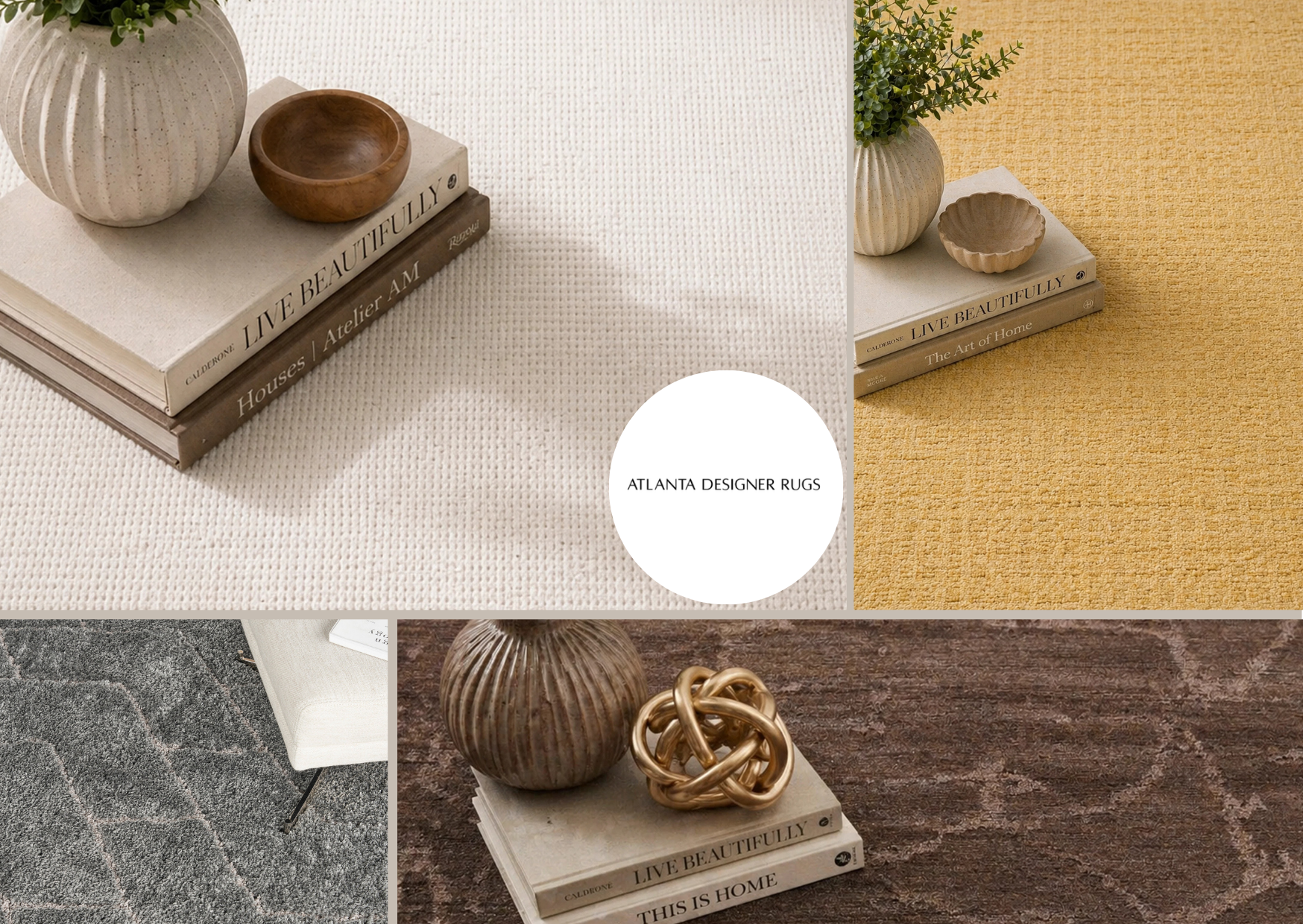
Start With Your Space and Traffic Patterns
Before you choose any floor covering, map how rooms actually get used. High-traffic areas benefit from tighter, more durable weave constructions, while low-traffic rooms can lean into softer, more delicate textures. Measure the open floor plan carefully, then decide whether you wool area rugs want your rug to anchor furniture legs or sit as a boundary under a coffee table. This step keeps your final layout balanced and prevents the common problem of rugs that look too small.
Next, think about where light falls and how it changes the look of color. Wool naturally absorbs and diffuses light, which can make warm tones feel richer and cooler tones feel calmer. If you have wood floors, consider how the grain will interact with pile direction and pattern contrast. For households with kids or pets, prioritize a rug shape that can handle everyday movement without shifting, especially in hallways and entry zones.
Check Fiber Quality, Pile, and Construction Details
Look closely at the materials and construction to ensure you’re investing in lasting comfort. Check for even pile height and consistent pattern alignment, because amber lewis rugs these details affect how the rug wears over time and how it visually reads from different angles. If possible, review how the rug is finished at the edges so it can better resist fraying and daily scuffing.
Pile height and density influence both appearance and performance, so treat them like design choices rather than technicalities. A medium or low pile often works well for dining rooms, since chairs slide more smoothly and cleaning is easier. Higher pile options can create a luxurious, plush feel, but they require slightly more attention during routine vacuuming. Also consider whether you prefer a flatweave look, a tufted texture, or a more structured woven design, since each one creates a different style mood.
Choose Colors and Patterns That Match Your Design Goals
Color selection should reflect your existing palette, not just what looks good in a sample. Warm, earthy shades can make a room feel inviting and grounded, while cooler neutrals can create a cleaner, calmer backdrop. Pay attention to undertones in your walls, upholstery, and flooring, since wool’s natural character can gently shift how colors appear. If you’re drawn to distinctive statement pieces, an accent pattern can energize a neutral room without overwhelming it.
Pattern scale matters as much as color, especially in rooms with furniture and window treatments. Larger motifs can help define a spacious living area, while smaller patterns often blend beautifully with busy interiors. A rug with cohesive pattern rhythm tends to feel more intentional, while mismatched or overly busy designs can make a room feel visually cluttered.
Conclusion
Use this checklist to buy with confidence, from layout planning to fiber and finish details. When you verify measurements, understand traffic patterns, and assess pile and construction, your rug purchase becomes a practical decision as well as a style upgrade. Matching the right colors and pattern scale to your decor helps the piece feel like it belongs, not like it was added as an afterthought. For curated options that balance warmth, texture, and timeless aesthetics, explore Atlanta Designer Rugs. At atlantadesignerrugs.com, you can find premium designs from respected brands that make it easier to choose the right size, color, and overall look for your space. Whether your home leans traditional, modern, or somewhere in between, wool’s natural appeal can unify your rooms with comfort and character. Treat your rug as a long-term foundation piece, and you’ll enjoy how it elevates the feel of everyday living. The result is a home that looks richer, feels cozier, and stays stylish through changing seasons of decor.