
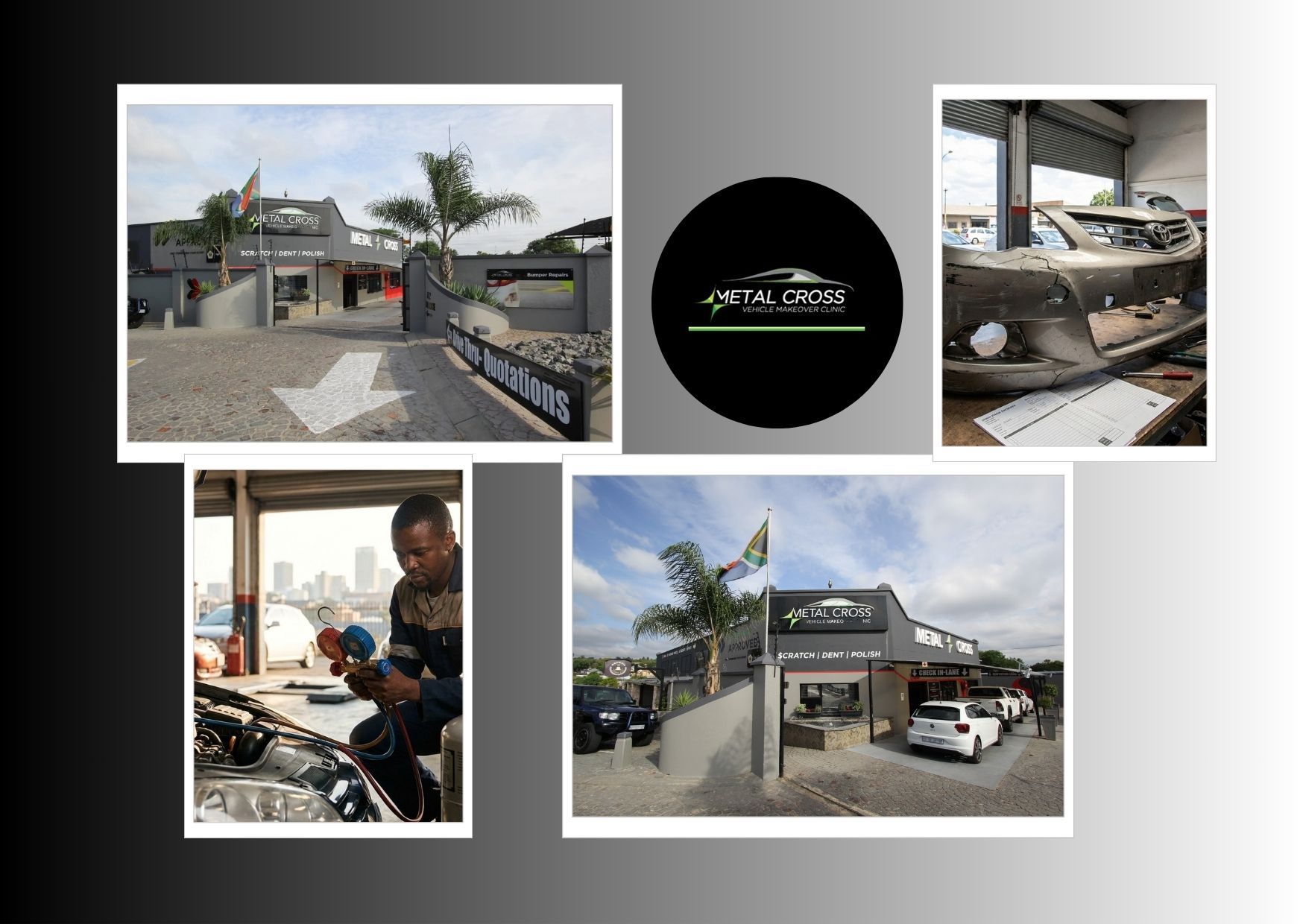
Start with your repair goals and get specific quotes
Before you contact any workshop, identify the exact type of damage you need fixed. A door crease, a bent frame rail, and a misaligned wheel all point to different repair processes and different material costs. If you can, take panel beaters clear photos from multiple angles and note any symptoms like steering pull, unusual tire wear, or wind noise. This helps you ask the right questions and prevents you from accepting a vague estimate.
When requesting pricing, ask for a line-item breakdown rather than a single lump sum. Your estimate should mention whether the work includes metal straightening, replacement panels, filler and finishing, priming, and paint blending. If the damage affects alignment, confirm that wheel alignment and measurement checks are included. A buyer-intent approach means you want an actionable quote that matches the scope of your vehicle bumper repair and any surrounding bodywork.
Verify repair quality with process checks and workmanship evidence
High-quality body repair depends on correct diagnosis and careful metalwork, not just cosmetic finishing. Ask how they assess structural damage, including whether they use measuring tools to confirm the vehicle’s original geometry. For panel section repairs, inquire car bumper repair about rust treatment and how they seal joints to prevent future corrosion. Good professionals will explain the steps they follow and will be willing to show before-and-after results for similar vehicles.
Insist on transparency around paint and finishing. You should understand what primer system is used, how they control sanding and surface preparation, and how they ensure consistent color matching. If the repair includes plastic components, ask how they handle prep, adhesion promotion, and curing conditions.
Evaluate credibility: experience, tools, parts, and warranty
Credibility is easier to measure when you focus on evidence and capability. Ask how long the workshop has been doing collision-related bodywork, what vehicle types they commonly repair, and whether their staff includes trained finishers. If they claim to be specialist repairers, request examples that demonstrate consistent outcomes across different damage severities. A reliable workshop will also explain which parts they replace versus repair, and why.
Parts and materials should be handled responsibly. Confirm whether they use OEM-equivalent components, quality aftermarket parts, or refurbished items, depending on your budget and insurance requirements. For welding or structural repairs, ask about safety procedures and how they verify strength and straightness after work is completed. Also ask if they offer a warranty on workmanship and paint, and what it covers, so you can make a confident purchase decision with less risk.
Conclusion
Choosing the right body repair provider is less about a catchy promise and more about fit-for-purpose planning, clear pricing, and measurable workmanship. Use the repair goals to define scope, request detailed quotes that match the damage, and verify the process through evidence of alignment checks, corrosion prevention, and finishing discipline. When you evaluate credibility through tools, parts standards, and warranty coverage, you reduce the chance of repeat repairs and dissatisfaction. If you want dependable outcomes for accident recovery and body restoration, metalcross.co.za is positioned to support that decision with skilled workmanship that restores both structure and appearance. By combining a buyer-intent mindset with practical questions and quality verification, you can move forward with confidence and get repairs that look right and hold up over time.