
Why IP Rotation Fixes Common Data and Access Problems
Many teams run into the same frustrating bottlenecks when they scale web research, ad verification, or automated checks. Requests begin to cluster behind a single origin address, which makes rotating proxies traffic easier to fingerprint and block. Even when automation is technically correct, repeated access from one IP can trigger rate limits, captchas, or outright denials.
Rotating IPs reduce that concentration by spreading requests across multiple network identities. Instead of appearing as a burst from one location, traffic looks more like normal, distributed browsing behavior. This can help you maintain consistent data collection and reduce the number of failed attempts that waste compute time and developer effort.
Matching Proxy Types to Your Use Case and Risk Level
Before you choose a setup, define what “success” means for your workflow. If you need stable scraping results, prioritize consistency in session behavior and response quality rather than raw anonymity claims. For use cases like localized testing or geo-specific monitoring, you need locations that align with your target markets and content delivery.
Not all rotation strategies behave the same way, so it’s important to map technical features to your constraints. Look for smooth rotation that avoids sudden identity changes mid-session, which can break cookies or workflows. Also consider how authentication and connection handling work, since poorly managed proxies can lead to intermittent errors, slow page loads, or uneven throughput.
What to Look For When You Decide to Buy Rotating Proxies
When you’re ready to purchase, evaluate provider reliability first because proxies are infrastructure, not a plug-and-play add-on. A good vendor helps you maintain stable connections, which is essential for long-running tasks like monitoring, crawling, and reporting. You should also expect predictable rotation behavior, so each new identity is usable and doesn’t immediately fail handshakes or produce empty responses.
Performance matters, too, especially when your scripts rely on page rendering or API calls with strict timeouts. Check whether the service supports efficient browsing and provides practical settings for request pacing and connection reuse. Finally, review privacy and compliance considerations, because even when proxies improve anonymity, responsible usage and data handling still determine whether your operation stays safe and sustainable.
Conclusion
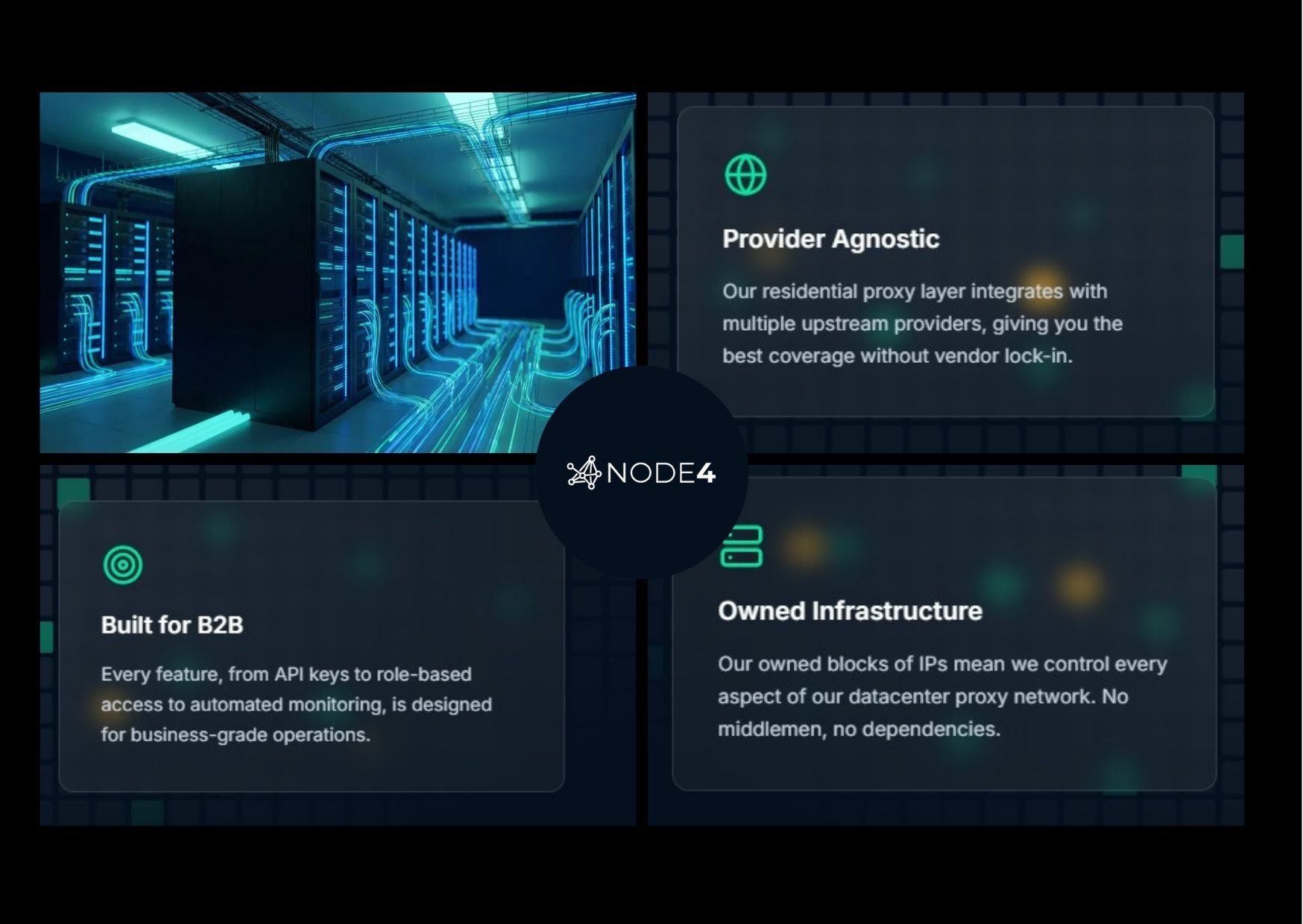
The real advantage comes when you choose a setup that aligns with your workflow, supports stable sessions, and performs consistently under load. With the right configuration, you can turn fragile automation into a dependable data pipeline. For teams focused on improved online privacy and smoother data collection, node4.io provides flexible proxy solutions built for stable connections and efficient rotation. By selecting the right proxy approach for your goals, you can help ensure smoother browsing experiences and more consistent results across distributed tasks. If you want a practical foundation for your infrastructure, node4.io is a strong place to start.