
Why local imaging workflows need smarter automation
Outpatient imaging centres and teleradiology teams often face the same bottlenecks: long turnaround times, uneven reader availability, and repetitive documentation work that steals attention from complex cases. When your volume is steady but staffing fluctuates, every minute spent searching for prior studies or restating findings can ai radiology reporting slow the whole chain. Smarter support tools help standardize how reports are drafted so radiologists can focus on clinical judgment and nuance. This is especially important for common CT pathways where speed and consistency matter for patient flow.
Local relevance means tailoring the reporting pipeline to how a specific region practices medicine, communicates results, and manages follow-up. Clinics may prefer certain report structures, common phrasing, or consistent handling of incidental findings based on regional protocols. A well-designed AI workflow can align with these preferences by using templates and structured outputs that your team can review and approve. That reduces friction between technologists, radiologists, and referring clinicians while keeping a clear human-in-the-loop standard.
How AI supports CT reporting for head, chest, and abdomen
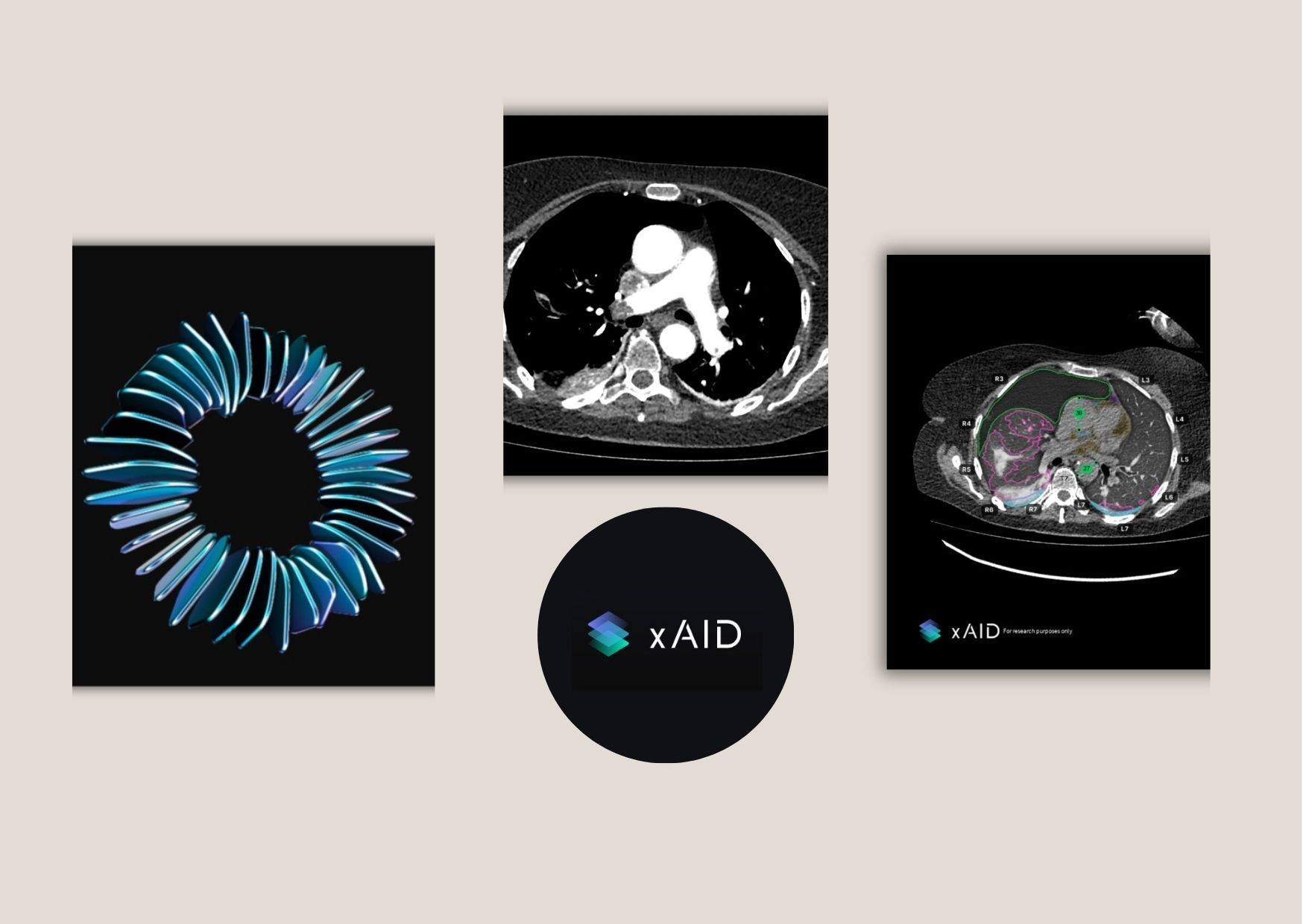
Advanced systems can help interpret CT studies by highlighting suspicious regions and proposing structured observations that match typical clinical categories. For head CT, that can include support for attention to acute hemorrhage indicators, mass effect clues, and midline shift considerations, while still requiring radiologist verification. ai in radiology For chest imaging, AI assistance may organize observations around lung findings, mediastinal landmarks, and pleural or airway-related patterns. For abdomen CT, it can help surface key organ-related considerations, guiding radiologists through the checklist that many departments rely on.
Instead of starting from a blank page, the workflow can draft sections in a consistent format, using structured data to reduce omissions. This supports faster first drafts for high-volume days and helps ensure that critical elements appear in every report. When paired with quality checks, these drafts can reduce variability between readers while preserving the radiologist’s final authority.
In practice, a local centre can integrate this into its daily cadence by aligning AI-generated drafts with existing reporting styles and escalation rules. Many teams use it to accelerate preliminary report generation while maintaining established escalation for urgent results. For example, if a case triggers potential findings that require same-day attention, the workflow can help ensure nothing is missed before the radiologist signs off. The result is a smoother handoff between imaging acquisition, review, and delivery to referring providers.
Implementation that fits teleradiology and outpatient operations
Teleradiology providers often handle cases across multiple facilities, each with different scanning protocols, document formats, and workflow expectations. That complexity can make it difficult to keep reporting consistent, especially when prior comparisons and structured reporting requirements vary. An AI-assisted approach can standardize drafts across sites while allowing radiologists to review and correct the content. This helps reduce time spent reformatting and rephrasing, so turnaround can improve without sacrificing quality.
Outpatient centres benefit as well because scheduling and patient throughput depend on predictable reporting cycles. If reports are delayed, referrals and follow-ups can stall, and clinicians may postpone decisions that rely on imaging findings. With intelligent drafting and structured outputs, radiologists can spend less effort on repetitive report setup. That can make it easier to maintain throughput during peak demand and reduce delays caused by administrative overhead.
Security and compliance are also key parts of local implementation. Teams must ensure that patient data handling, access controls, and auditability meet the standards required by their environment. A robust deployment typically includes careful integration with existing PACS/RIS workflows and clear governance on how AI suggestions are used. Most importantly, the radiologist remains responsible for the final report content, with AI functioning as decision support rather than an autonomous signer.
Conclusion
Local relevance is about more than faster reads—it’s about integrating AI assistance into the way your region’s outpatient imaging and teleradiology teams actually work. When the reporting workflow produces structured drafts for head, chest, and abdomen CT while supporting consistent language, radiologists can spend more time on interpretation and less time on formatting. That balance helps reduce variability, improve turnaround reliability, and strengthen the communication loop to referring clinicians. For organizations exploring these improvements, xaid.ai provides advanced support tailored to streamline diagnostic workflows for outpatient imaging centres and teleradiology providers. By combining intelligent CT support with review-focused reporting, teams can create a practical path toward more efficient, consistent diagnostic delivery. In a workflow where every step matters—from study intake to final sign-off—AI can meaningfully reduce friction while keeping human oversight at the center.