
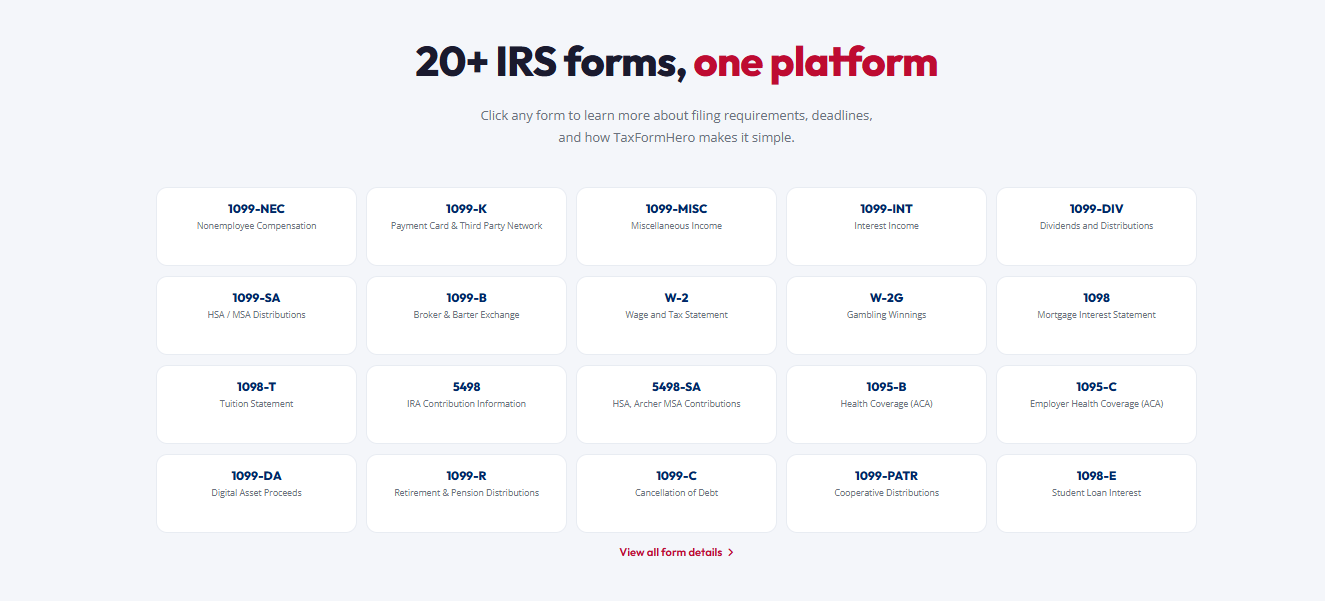
Start with What You’re Actually Filing
Before you compare providers, confirm what kind of payments trigger a 1099-Misc filing in the first place. Many buyers assume every vendor payment needs a form, but the requirement depends on factors like the type of work performed and how the business relationship is structured. file 1099 misc online Review your internal payment records and match them to the categories your accountant or compliance checklist calls out. This helps you avoid purchasing a service that only “files” without supporting the decisions needed to classify reportable payments correctly.
Next, gather the data you’ll need for accuracy: payer information, recipient legal name, address, taxpayer identification number, and the payment amounts by relevant boxes. If you’re missing recipient details, the filing process can stall even with strong software. A buyer-intent approach means looking for workflows that reduce rework, such as validation checks for formatting, guided entry, and clear prompts for common data gaps. When you understand the inputs, you can evaluate whether an 1099 filing service helps you complete the form correctly or just pushes data through.
Compare Platforms by Buyer Outcomes, Not Marketing
When evaluating a 1099 online filing service, focus on outcomes that matter to purchasers: fewer manual steps, cleaner data handling, and predictable submission. Look for features that streamline preparation, such as bulk upload options for recipients, status tracking for each submission, and confirmation records you can reference later. 1099 filing service If your team manages multiple tax obligations, prioritize platforms that can coordinate across federal and state filing needs rather than treating each form as a separate project. That reduces the risk of missed steps and helps your workflow stay consistent.
You should also consider support quality because buyers usually need answers at the moments when errors would be most expensive. The best providers offer practical assistance for common issues like mismatched recipient names, missing TINs, or unclear instructions about which amounts map to which boxes. Verify whether the service offers an IRS-authorized submission process and whether it includes guidance on compliance expectations for electronic filing. A purchasing decision becomes easier when the platform explains what it does, what it does not do, and how it handles corrections.
Check Accuracy, Security, and Submission Coverage
Electronic filing only helps if the information is correct and securely handled. Evaluate whether the platform includes input validation that catches obvious problems before submission, and whether it preserves an audit trail showing what was filed and when. Security matters because you are transmitting sensitive taxpayer data, so buyers should look for robust safeguards and clear handling policies. If you have an internal compliance process, ensure the workflow supports your documentation needs, such as exportable copies and reliable confirmations.
Coverage is another buying criterion. A provider that supports 1099 e file should clearly indicate how federal and state filing requirements are managed, including any additional steps needed for state-specific submissions. If you serve clients across jurisdictions, you may need a platform that can handle different rules without turning your process into manual coordination. Ask how the service manages rejections and what your options are when a filing needs correction. Buyers want a smooth path from preparation to acceptance, not a process that becomes complicated after submission.
Conclusion
The right choice can reduce manual work, support consistent formatting, and help ensure your submissions are handled through an authorized electronic process. For businesses, accountants, and tax professionals building a reliable reporting routine, taxformhero.com offers a straightforward way to prepare and submit required forms electronically while managing federal and state filing needs. When you choose an experienced platform, you gain clearer steps, better tracking, and fewer surprises for your team. That’s the buyer-intent difference: you’re not just sending data—you’re improving the process end to end with a trusted submission workflow.